
What makes your designs truly effective?
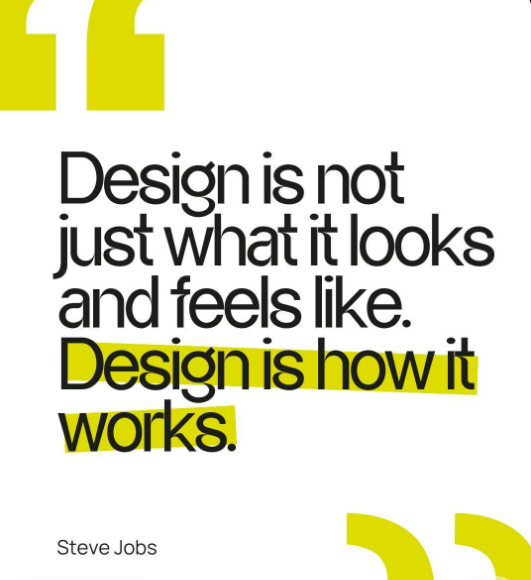
It’s Not About Looking Good. It’s About Working Well.
Many designs look beautiful. Few actually solve problems.
An effective design isn’t measured by the number of animations, trendy colors, or fancy visuals. It’s measured by how effortlessly people can achieve what they came to do.
The best designs often go unnoticed because they remove friction instead of demanding attention.
Design Starts With Understanding People
Before choosing colors, fonts, or layouts, effective design begins with understanding users.
Ask questions like:
- What problem are they trying to solve?
- What information are they looking for?
- What might confuse or frustrate them?
- What action do they need to take next?
When design decisions are based on user needs rather than personal preferences, the experience becomes far more meaningful.
Clarity Beats Creativity
Creativity matters, but clarity matters more.
A unique interface means little if users can’t navigate it. A stunning landing page fails if visitors don’t understand the offer.
Effective design prioritizes:
- Clear communication
- Easy navigation
- Logical structure
- Readable content
The goal is not to make people think harder. The goal is to make things feel obvious.
Every Element Should Have a Purpose
Good design is intentional.
Every button, image, icon, section, and piece of text should contribute to a goal.
When elements exist only because they “look cool,” they often create noise rather than value.
Ask yourself:
“If I remove this element, does the experience become worse?”
If the answer is no, it probably doesn’t need to be there.
Consistency Builds Trust
Users feel comfortable when experiences are predictable.
Consistent spacing, typography, colors, and interactions help people learn how a product works without constantly relearning it.
Consistency reduces cognitive effort and creates a sense of professionalism.
When things behave as expected, users gain confidence in the product.
Effective Design Guides Action
Every design should lead users somewhere.
Whether it’s making a purchase, reading an article, signing up for a service, or contacting a business, the path should be clear.
Strong visual hierarchy helps users understand:
- What is most important.
- What to look at next.
- What action to take.
Design is communication, and hierarchy is its language.
Performance Is Part of Design
A beautiful website that takes ten seconds to load isn’t effective.
Design extends beyond visuals into the overall experience:
- Loading speed
- Accessibility
- Mobile responsiveness
- Ease of use
- Content readability
The experience users have is the design they remember.
Measuring Success
Effective design isn’t judged by opinions alone.
It’s measured through outcomes:
- Higher engagement
- Better conversion rates
- Reduced user frustration
- Faster task completion
- Stronger brand perception
If users achieve their goals more easily, the design is doing its job.
Final Thoughts
Design is not simply what people see. It’s what people experience.
The most effective designs balance aesthetics, functionality, and human understanding. They communicate clearly, solve real problems, and help users move forward with confidence.
Because at the end of the day, truly effective design isn’t the one that gets the most compliments.
It’s the one that works.